
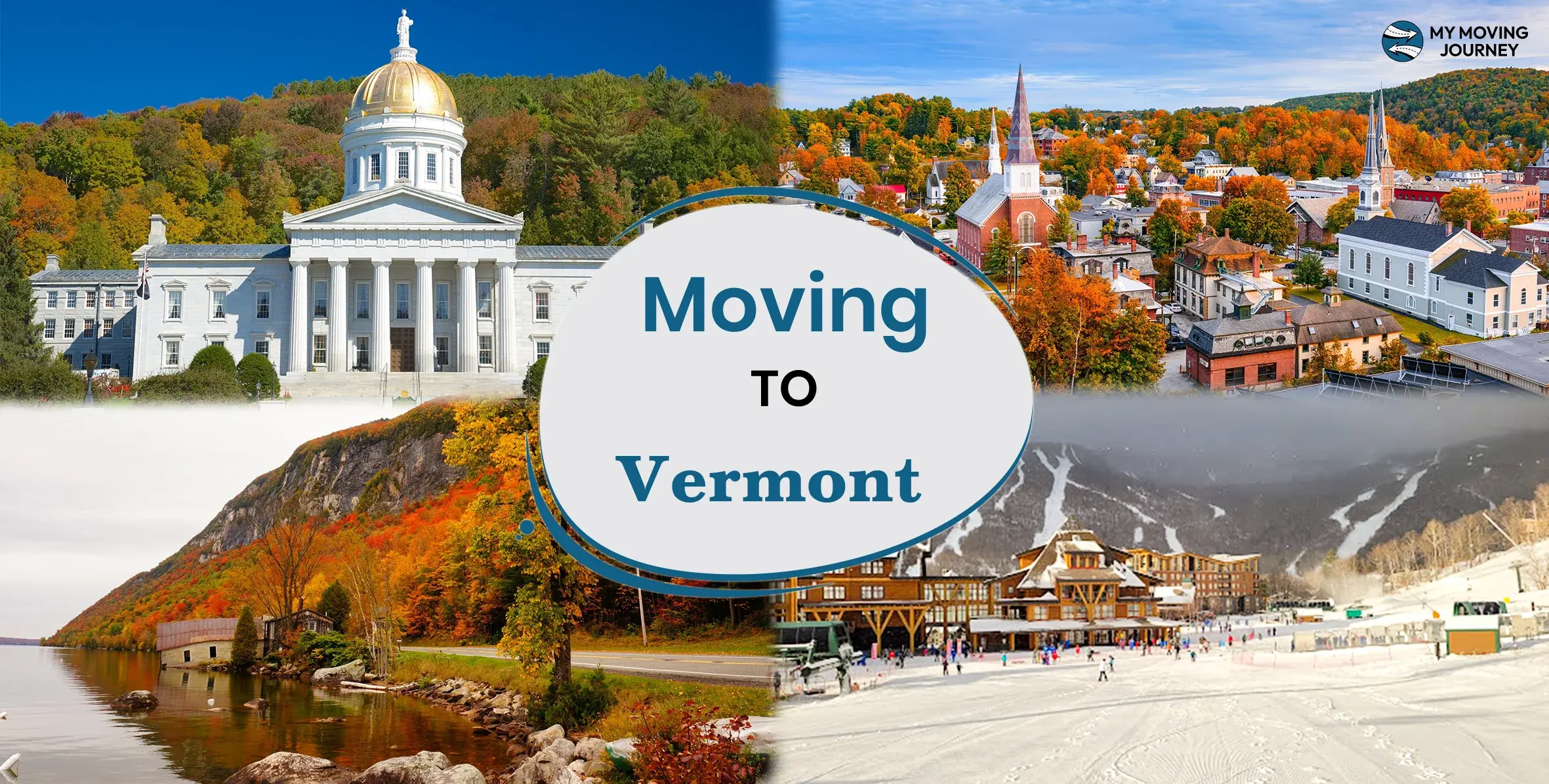
If you are reading this, you are probably trying to figure out whether moving to Vermont is actually worth it in 2026.
Over the last few years, Vermont has started attracting people who want something very different from overcrowded city life. Many are looking for quieter towns, stronger communities, and a lifestyle that is more balanced.
But moving to Vermont is not a simple decision based on beautiful scenery alone. The state offers a high quality of life in many ways, but it also comes with some challenges that people need to understand before making the move.
That is why people searching for answers are not only asking about the scenery or lifestyle. They are asking practical questions like should I move to Vermont, whether the cost of living is manageable, what daily life actually feels like, and if the benefits truly outweigh the challenges.
Let’s discuss everything you need to know about moving to Vermont in 2026 so you can make a confident decision.
Why People Are Considering Moving to Vermont in 2026
Most people do not wake up one day and randomly decide to move states. The decision usually develops over time because something about their current lifestyle no longer feels sustainable.
Here are some factors that are influencing people to move to Vermont:
Remote Work Flexibility
Remote work has made it easier for people to live where they actually want to live instead of staying near expensive job hubs. Vermont attracts remote workers because of its peaceful environment, smaller towns, and better work-life balance.
Desire for a Slower Lifestyle
Many people are moving away from fast-paced cities and looking for quieter communities and a less stressful daily routine. Vermont appeals to people who want a calmer lifestyle surrounded by nature and open space.
Access to Nature
Outdoor living is one of the biggest reasons people consider moving to Vermont. The state offers year-round access to hiking, skiing, lakes, mountains, biking, and other outdoor activities that are difficult to find in heavily urbanized states.
Safer and Smaller Communities
Many people prefer smaller towns where life is more connected and manageable. Vermont is known for its low crime rates, community-focused culture, and towns where people value local living and personal connection.
Better Quality of Life
Some people are willing to trade bigger cities for a healthier and more balanced lifestyle. Cleaner air, less traffic, scenic surroundings, and a quieter environment make Vermont appealing for families, retirees, and professionals.
Pros and Cons of Moving to Vermont
| Pros of Moving to Vermont | Cons of Moving to Vermont |
|---|---|
| Beautiful natural scenery and access to outdoor activities | Long and harsh winters can be difficult |
| Safer communities and lower crime rates | Housing inventory is limited |
| Slower and less stressful lifestyle | Cost of living is higher |
| Strong sense of community | Fewer large-city job opportunities |
| Cleaner environment and better air quality | Property taxes can be higher |
| Great destination for remote workers | Rural areas may have limited healthcare |
| Access to skiing, hiking, and mountains | Public transportation options are limited |
| Good quality of life for retirees | Winters increase heating and utility costs |
| Less traffic and congestion | Entertainment and nightlife options are limited |
Cost of Living in Vermont in 2026
Vermont is not considered one of the cheapest states in the country, but many people still feel the higher costs are balanced by the lifestyle, safety, and quality of living the state offers.
Housing Costs (Rent vs Buying)
Housing is one of the most important factors people research before moving to Vermont. Home prices have increased steadily over the last few years due to limited inventory and growing demand.
| Housing Type | Typical Cost (2026) |
|---|---|
| 1-bedroom apartment | $1,438 – $1,792 |
| 2-bedroom apartment | $1,846 – $2,364 |
| Median home price | $392,400 – $447,800 |
| Average mortgage payment | $2,268 – $2,914 |
Utilities, Groceries, and Transportation
Living expenses outside housing are generally higher than the national average in Vermont.
| Expense Category | Average Monthly Cost |
|---|---|
| Utilities | $248 – $372 |
| Groceries (single person) | $382 – $518 |
| Transportation | $492 – $688 |
Taxes in Vermont
Vermont has higher taxes compared to many low-tax states, which is important for people planning a long-term move.
| Tax Type | Overview |
|---|---|
| State income tax | Up to 8.75% |
| Property tax | Higher than national average |
| Sales tax | 6% statewide |
Job Market and Employment Opportunities in Vermont
People researching moving to Vermont usually want to understand one important thing before making the decision: Can you realistically build a stable and comfortable life here financially?
Major Industries and Employers
The Vermont job market is driven more by healthcare, tourism, education, and small business activity than by massive corporate headquarters or large industrial centers.
Key Industries in Vermont
- Healthcare
- Education and public sector
- Tourism and hospitality
- Manufacturing
- Agriculture and food production
- Technology and remote work
- Construction and skilled trades
Major Employers in Vermont
| Industry | Major Employers |
|---|---|
| Healthcare | University of Vermont Medical Center, Dartmouth Health |
| Education | University of Vermont, Vermont State University |
| Manufacturing | GlobalFoundries, Beta Technologies |
| Retail & Distribution | Hannaford, Shaw’s, UPS |
| Tourism & Hospitality | Killington Resort, Stowe Mountain Resort |
| Public Sector | State of Vermont, local school districts |
Average Salaries vs Cost of Living
Salaries in Vermont are generally moderate, but living costs can be higher than expected because of housing, utilities, and taxes.
Average Annual Salaries in Vermont (2026 Estimates)
| Job Category | Average Salary |
|---|---|
| Overall state average | $63,840 |
| Manufacturing | $61,420 |
| Healthcare professionals | $74,380 – $96,740 |
| Engineering & technology | $81,260 – $108,540 |
| Retail & service roles | $34,280 – $43,760 |
| Skilled trades | $52,640 – $71,480 |
Best Places to Live in Vermont
When people start narrowing down where to live in Vermont, they usually focus on factors like housing costs, safety, healthcare access, schools, outdoor lifestyle, and year-round livability.
Best Cities for Families
These areas are popular among families because of strong schools, safer neighborhoods, healthcare access, and proximity to jobs and everyday services.
- Essex
- Colchester
- Shelburne
- Williston
- Middlebury
Best Places for Retirees
These locations attract retirees because of their quieter environment, healthcare availability, walkable downtown areas, scenic surroundings, and community-focused lifestyle.
- Stowe
- Woodstock
- Manchester
- Brattleboro
- Montpelier
Affordable and Growing Areas
These areas are usually more affordable for both buyers and renters, which is why many people consider them when they want to enjoy Vermont living without paying the higher prices found in more expensive towns.
- Rutland
- Barre
- Newport
- St. Albans
- Bennington
What Daily Life Is Like in Vermont
Education and Schools
Vermont has around 290 public schools and more than 120 private schools serving students across the state.
Around 87% of K-12 students in Vermont attend public schools. The state is consistently ranked among the better-performing states for education quality, student outcomes, and graduation rates.
Here are some of the top-ranked schools in Vermont (2026) based on academic performance and overall ratings:
| School | City |
|---|---|
| Stowe High School | Stowe |
| Champlain Valley Union High School | Hinesburg |
| South Burlington High School | South Burlington |
| Burlington High School | Burlington |
| Middlebury Union High School | Middlebury |
Healthcare Access
Healthcare access in Vermont is usually good in bigger towns and regional areas, but smaller rural communities may have fewer hospitals, specialists, and medical facilities nearby.
The state is known for good healthcare quality, preventative care, and high health insurance coverage rates compared to much of the country.
Top Healthcare Systems and Facilities
- University of Vermont Medical Center (Burlington)
- Dartmouth Health Medical Center (Lebanon region serving eastern Vermont)
-
Central Vermont Medical Center (Berlin)
-
Rutland Regional Medical Center (Rutland)
-
Southwestern Vermont Medical Center (Bennington)
Healthcare access facts
- Vermont has more than 14 community hospitals serving residents across the state.
- Over 97% of Vermont residents have health insurance coverage, which is among the highest rates in the U.S.
- Average emergency response times are usually faster in developed areas, while rural mountain regions can experience longer response times.
Crime and Safety
Vermont is generally considered one of the safer states in the country, especially compared to larger and more densely populated states. Violent crime rates are well below the national average, and many smaller towns report very low crime levels overall.
| Crime Type | Vermont |
|---|---|
| Violent crime per 100,000 people | Lower than U.S. average |
| Property crime per 100,000 people | Lower than national average |
Safest Places with Lower Crime Rates
Several towns and cities in Vermont consistently report lower crime rates than the state average:
- Shelburne
- Essex
- South Burlington
- Middlebury
Crime in Other Areas (Higher Risk)
Although Vermont is overall a safer state, some areas report higher crime levels compared to the state average:
Burlington: Higher property crime rates compared to most Vermont towns.
Rutland: Property and drug-related crimes above state averages.
Barre: Moderate crime rates compared to smaller communities.
Brattleboro: Some increase in theft and property-related incidents in recent years.
Population and Demographics
Vermont has one of the smallest populations in the country and is known for its rural character, smaller communities, and older median age compared to the national average.
Vermont Statewide Population (2026)
- Total population: ~651,820 residents
- Population density: ~68.8 people per square mile
- Median age: ~43.5 years
Race and Ethnicity Breakdown
| Race / Ethnicity | Share of Population |
|---|---|
| White (Non-Hispanic) | ~91.8% |
| Hispanic or Latino | ~2.6% |
| Black or African American (Non-Hispanic) | ~1.5% |
| Asian | ~1.9% |
| Other / Multiracial | ~2.2% |
Income and Economic Demographics
| Demographic Measure | Vermont |
|---|---|
| Per Capita Income | ~$43,284 |
| Median Household Income | ~$76,112 |
| People Below Poverty Line | ~10.2% |
Households and Living Arrangements
- Number of households: ~279,640
- Average household size: ~2.3 people
- Median home value: ~$389,700
Educational Attainment
- High school graduate or higher: ~94.8%
- Bachelor’s degree or higher: ~41.7%
Best Attractions in Vermont
Vermont is known for its mountain scenery, small-town charm, outdoor recreation, and year-round tourism.
Popular Attractions in Vermont
These are some of the most visited destinations that attract both residents and tourists:
- Stowe Mountain Resort
- Quechee Gorge
Museums in Vermont
Vermont has a strong mix of history, art, and cultural museums across the state:
- Bennington Museum
Parks in Vermont
From mountain trails to lakes and forests, Vermont offers outdoor activities throughout the year:
- Mount Mansfield State Forest
- Quechee State Park
Weather and Climate in Vermont (2026)
| Climate Aspect | Description |
|---|---|
| Climate Type | Humid continental climate with cold winters and mild summers |
| Average Annual Temperature | ~44 °F (6.7 °C) statewide |
| Summer Conditions | Typical highs range from 74 °F to 82 °F (23–28 °C) |
| Winter Conditions | Winter lows range from 8 °F to 22 °F (-13 to -5 °C) |
| Average Annual Rainfall | ~43 inches per year statewide |
| Growing Season | Around 120–155 days, depending on elevation and region |
| Snowfall | ~74 inches annually |
| Severe Weather Risk | Lower severe weather risk compared to many U.S. states |
Seasonal Highlights
| Season | Typical Weather |
|---|---|
| Spring (Mar–May) | Cool and gradually warming with rain showers |
| Summer (Jun–Aug) | Mild to warm temperatures with comfortable evenings |
| Fall (Sep–Nov) | Cool temperatures and colorful foliage season with crisp air |
| Winter (Dec–Feb) | Cold, snowy winters with regular snowfall and long freezing periods |
Who Should Consider Moving to Vermont
You should seriously consider moving to Vermont if:
- You want a quieter and less stressful lifestyle.
- You enjoy nature, outdoor activities, and four distinct seasons.
- You work remotely or have flexible work arrangements.
- You prefer smaller communities and slower daily routines.
- You value safety, cleaner surroundings, and a strong sense of community.
- You are a retiree looking for peaceful living and scenic surroundings.
- You work in healthcare, education, tourism, skilled trades, or remote-based industries.
- You are comfortable with colder winters and seasonal weather changes.
- You want better access to outdoor recreation like hiking, skiing, biking, and lakes.
Who Vermont May Not Be Right For
Vermont may not be the right choice if:
- You depend on large-city job markets in finance, entertainment, or major corporate sectors.
- You want lower taxes and cheaper utilities.
- You prefer fast-paced urban living with extensive nightlife and entertainment.
- You are uncomfortable with long winters and heavy snowfall.
- You rely heavily on public transportation for daily life.
- You want abundant housing inventory and lower home prices in every area
- You prefer warm weather year-round.
- You expect the same level of shopping, dining, and big-city convenience found in larger metropolitan states.
Is Moving to Vermont Worth It in 2026?
Yes, moving to Vermont in 2026 can absolutely be worth it for the right person.
If you want a quieter lifestyle, safer communities, beautiful natural surroundings, and a slower daily pace, Vermont offers a quality of life that many people feel is difficult to find in larger states. It is especially appealing for remote workers, retirees, families, and people who enjoy outdoor living and small-town environments.
At the same time, Vermont is not the best fit for everyone. Housing costs remain high in many desirable areas, winters are long and snowy, and job opportunities can feel limited outside certain industries.
Best Moving Company For Your Relocation To Vermont
After reviewing numerous moving companies that handle relocations to Vermont and analyzing customer experiences, we identified the best movers in Vermont that are known for reliability, transparent pricing, and professional long-distance moving services.
If you are planning a move to Vermont in 2026, choosing the right moving company becomes especially important because many areas include smaller towns, mountain roads, and winter weather conditions that can complicate relocation.


 Full-value damage protection
Virtual walkthrough quotes
International over 150+ countries

Industry Experience
Transparent Pricing
Flexible Scheduling
- Alabama to Vermont
- Arizona to Vermont
- Arkansas to Vermont
- California to Vermont
- Colorado to Vermont
- Connecticut to Vermont
- Delaware to Vermont
- Florida to Vermont
- Georgia to Vermont
- Idaho to Vermont
- Illinois to Vermont
- Indiana to Vermont
- Iowa to Vermont
- Kansas to Vermont
- Kentucky to Vermont
- Louisiana to Vermont
- Maine to Vermont
- Maryland to Vermont
- Massachusetts to Vermont
- Michigan to Vermont
- Minnesota to Vermont
- Mississippi to Vermont
- Missouri to Vermont
- Montana to Vermont
- Nebraska to Vermont
- Nevada to Vermont
- New Hampshire to Vermont
- New Jersey to Vermont
- New Mexico to Vermont
- New York to Vermont
- North Carolina to Vermont
- North Dakota to Vermont
- Ohio to Vermont
- Oklahoma to Vermont
- Oregon to Vermont
- Pennsylvania to Vermont
- Rhode Island to Vermont
- South Carolina to Vermont
- South Dakota to Vermont
- Tennessee to Vermont
- Texas to Vermont
- Utah to Vermont
- Virginia to Vermont
- Washington to Vermont
- West Virginia to Vermont
- Wisconsin to Vermont
- Wyoming to Vermont
Cost of Moving to Vermont
The price depends on factors like moving distance, the size of your home, time of year, and whether you choose a DIY or full-service move.
On average, professional movers in Vermont charge around $136 per hour for local moving services, while long-distance relocation costs increase depending on mileage and shipment size.
Average Moving Costs to Vermont (2026 Estimates)
| Move Type | Estimated Cost |
|---|---|
| Studio or 1-bedroom local move | $428 – $918 |
| 2–3 bedroom local move | $1,042 – $2,684 |
| Long-distance interstate move | $2,846 – $7,940 |
| Full-service cross-country move | $6,482 – $14,760 |
If you want a clearer breakdown, check out our guide on the cost to hire movers in Vermont to plan more accurately.
How you choose to move will heavily affect your total relocation budget.
Moving container companies are chosen by people looking for a balance between affordability and convenience. You pack and load at your own pace, while the company handles transportation to Vermont.
For the lowest upfront cost, renting a moving truck is usually the cheapest option. This works best for smaller moves or shorter distances, but it also means handling the entire process yourself, including driving, loading, and unloading.
If convenience is your top priority, full-service interstate movers can handle everything from packing to final delivery. This is usually the easiest option for long-distance moves to Vermont.